Category: Trauma Therapy

Inner Child Work: Healing from Childhood Trauma

Written by: Dr. Scott Giacomucci, DSW, LCSW, BCD, CGP, FAAETS, TEP

Many adults find themselves struggling with anxiety, low self-esteem, relationship difficulties, perfectionism, people-pleasing, or intense emotional reactions that seem difficult to explain. They may wonder, “Why do I keep reacting this way?” or “Why do I feel like a scared child in certain situations?”

For many people, the answer lies in experiences from childhood.

Inner child work is an approach that helps people reconnect with, understand, and heal the younger parts of themselves that were impacted by painful or unmet childhood experiences. Rather than “living in the past,” inner child work helps us understand how the past continues to influence the present – and how we can begin creating a healthier future.

At the Phoenix Center for Experiential Trauma Therapy, we frequently incorporate inner child work into trauma therapy because lasting healing often requires more than understanding what happened. It involves developing a new relationship with the parts of ourselves that continue to carry emotional pain or have been split off from our adult selves.

What Is Inner Child Work?

Inner child work is the process of exploring, understanding, and healing the emotional experiences, beliefs, needs, and protective strategies that developed during childhood.

The term “inner child” is a way of humanizing the parts of ourselves that continue to carry the wounds, defenses, emotions, and reactivity from the past. It is a way of describing the younger emotional experiences that continue to influence how we think, feel, behave, and relate to others throughout adulthood. Our inner child (or inner children) may carry fear, shame, loneliness, anger, grief, or feelings of pain. At the same time, our inner child may also carry the joy, curiosity, wonder, creativity, and playfulness that we feel like we’ve been disconnected from since the trauma.

When childhood needs for safety, love, acceptance, or emotional support were not consistently met, these experiences often continue to affect adult life in ways we may not fully recognize.

Signs That Childhood Experiences May Still Be Affecting You

Many people seeking trauma therapy don’t initially realize that their current struggles are connected to childhood experiences.

Some common signs include:

  • Feeling easily rejected or abandoned
  • Difficulty trusting others
  • Perfectionism or fear of making mistakes
  • Chronic people-pleasing
  • Harsh self-criticism
  • Difficulty setting healthy boundaries
  • Feeling emotionally “stuck”
  • Strong emotional reactions that seem larger than the situation
  • Fear of conflict
  • Difficulty accepting love or support
  • Persistent feelings of shame or not being “good enough”

These patterns often developed for understandable reasons. They were attempts to adapt to difficult environments, relationships, or experiences.

Why Childhood Experiences Continue to Affect Adults

Children naturally make sense of the world by making sense of themselves. When children experience neglect, criticism, abuse, bullying, loss, or unpredictable caregiving, they often develop beliefs such as “I’m not good enough,” “I have to take care of everyone else,” “It was all my fault,” “My needs don’t matter,” and “If I make a mistake, I’ll be rejected.”

These beliefs may have helped children understand confusing experiences, but they often continue operating long after the original circumstances have changed. When a child can’t fully process or make sense of a complex traumatic experience, they are likely to blame themselves or internalize negative beliefs about themselves from the event.

Inner child work helps identify these beliefs, understand where they came from, and develop healthier ways of relating to ourselves.

What Does Inner Child Healing Look Like?

Many people imagine inner child work as simply visualizing themselves as a child. While imagery can certainly be one part of the process, meaningful inner child healing can go much deeper.

Healing Our Inner Child

Healing often involves:

  • Understanding childhood experiences with greater compassion
  • Recognizing emotional triggers in the present
  • Learning healthier ways to respond to emotional pain
  • Challenging long-held beliefs about yourself
  • Developing self-compassion
  • Grieving unmet childhood needs
  • Building emotional regulation skills
  • Creating healthier relationships
  • Meeting present-day needs in healthier ways

Inner Child Work and Trauma Therapy

Inner child work begins by acknowledging and befriending your inner child. This requires a newfound awareness and understanding of the past wounded parts of self. One of the most important aspects of inner child work is that we interact with our inner child from the perspective of our adult selves. This allows us to integrate the new perspective, information, and compassion between our past and current selves. While inner child work does often involve expressing emotions that were unexpressed from childhood, it does not mean that we encourage uncontained regressing into childlike states.

Healing Inner Child and Trust

Interacting with your inner child may involve changing your internal self-talk, guided visualizations, letter writing and journaling techniques, parts work, somatic techniques, EMDR sessions on past trauma, psychodrama, and empty chair work. Rather than focusing exclusively on symptoms, these approaches help individuals develop a healthier relationship with themselves and the younger parts that continue to carry emotional pain.

For individuals who experienced childhood trauma, neglect, abuse, or attachment wounds, inner child work is often one component of a comprehensive trauma treatment plan. Healing childhood trauma requires more than talking about difficult memories. It often involves helping individuals experience safety, emotional regulation, connection, and self-compassion in ways they may not have experienced growing up. Rather than trying to erase painful experiences, inner child work helps reduce their influence on your current life.

Common Misconceptions About Inner Child Work

“Inner child work means blaming my parents.”
Inner Child Work and Blaming Parents

Inner child work is not about assigning blame. Many caregivers did the best they could with the resources they had. At the same time, acknowledging how childhood experiences shaped us is an important part of understanding ourselves. Healing involves developing awareness, not simply finding someone to blame. Though there is sometimes blame to assign to others for past trauma, the responsibility for healing rests within ourselves.

“I had a good childhood, so I don’t need inner child work.”

Many people experienced loving families while also encountering painful experiences such as bullying, death, grief, medical trauma, emotional neglect, divorce, discrimination, or other significant stressors. Inner child work is about understanding your unique experiences – not comparing your childhood to someone else’s. Avoidance and minimization is actually one of the four symptom clusters of posttraumatic stress disorder.

“Talking about childhood means living in the past.”

The goal of inner child work is not to stay in the past. The goal is to understand how the past continues to influence the present so that you can respond differently moving forward. Inner child work actually helps us recognize the ways that we are already living in the past so that we can heal and integrate those experiences into a healthier adult self. At its core, inner child work helps us stop living in the past.

How the Phoenix Center Can Help

Inner Child Work and Finding the Right Therapist

At the Phoenix Center for Experiential Trauma Therapy, we believe healing occurs through compassionate relationships, meaningful experiences, and developing new ways of relating to yourself and others. Our therapists integrate trauma-informed care with experiential approaches that help clients move beyond simply understanding childhood experiences intellectually. Through therapies such as EMDR, psychodrama, somatic therapy, parts work, and other evidence-based approaches, we help clients process painful memories, strengthen emotional regulation, build self-compassion, and reconnect with the resilient parts of themselves.

Every person’s story is different. Rather than following a one-size-fits-all approach, we tailor treatment to your unique history, strengths, and goals. This often includes integrating multiple modalities into your treatment experience.

Ready to Begin Healing Your Inner Child?

Healing your inner child isn’t about becoming someone different. It’s about reconnecting with the parts of yourself that have always deserved safety, compassion, acceptance, and care. If childhood experiences continue to affect your relationships, emotions, self-esteem, or daily life, you don’t have to navigate that journey alone.

The trauma therapists at the Phoenix Center for Experiential Trauma Therapy provide compassionate, evidence-based treatment to help individuals heal from childhood trauma, strengthen resilience, and create healthier, more fulfilling lives.

Contact us today to learn more about our trauma therapy services or schedule an appointment with one of our experienced clinicians.

About the Author

Blog Written by: Dr. Scott Giacomucci, DSW, LCSW, BCD, CGP, FAAETS, TEP

Dr. Scott Giacomucci, DSW, LCSW, BCD, CGP, FAAETS, TEP (he, him, his) is the Director, Founder, & Owner of the Phoenix Center for Experiential Trauma Therapy. He provides clinical services at the center as well as supervision, consultation, training, and organizational leadership.
Scott’s work has been internationally recognized and he is the recipient of various awards. He frequently presents training workshops at local, national, and international events and has published various articles on using experiential methods (especially sociometry, psychodrama, and group work) in clinical, educational, community, and organizational settings. Most recently, the CEO of NASW commented in a press release that “With social work leaders such as Dr. Giacomucci on the rise I’m assured the social work profession will have an especially bright future.”

Am I Broken?

Written by Dr. Scott Giacomucci, DSW, LCSW, BCD, CGP, FAAETS, TEP

The Connection Between Trauma and Shame: How to Break Free from Trauma-Related Shame

Trauma and shame often go hand in hand. While trauma is something that happens to us, shame has a way of convincing us that we are the problem. For many trauma survivors, the emotional wounds don’t end when the traumatic event is over. Long after the experience has passed, shame can continue shaping how we see ourselves, our relationships, and our future.

The good news is that shame is not a permanent part of who you are. It can be understood, challenged, and healed.

Why Trauma Often Leads to Shame

Trauma is, by definition, an experience that overwhelms our ability to cope. When something terrifying, abusive, or deeply painful happens, especially during childhood, our brains naturally try to make sense of it.

Children, in particular, often lack the developmental ability to understand the complex circumstances surrounding trauma. Instead, they may arrive at painful conclusions like:

  • “It must have been my fault.”
  • “I deserved this.”
  • “There’s something wrong with me.”
  • “I’m broken.”
  • “I’m unlovable.”

These beliefs are not facts. They are survival adaptations created by a mind trying to explain the unexplainable. Unfortunately, abusive individuals and dysfunctional family systems often reinforce these distorted beliefs, leaving survivors carrying emotional burdens that never belonged to them.

When the Shame of the Perpetrator Becomes Your Own

One of the most painful aspects of trauma is that survivors often absorb the shame of the person who caused the harm.

Psychologists sometimes describe this process as identification with the aggressor, a phenomenon in which the victim unconsciously internalizes the emotions, beliefs, and shame of the perpetrator. Instead of recognizing that the abuse reflected the actions of another person, survivors begin believing the abuse says something about who they are. This is one reason trauma-related shame can feel so deeply rooted.

Common Signs of Trauma-Related Shame

Internalized Shame

Trauma-related shame doesn’t always announce itself directly. Instead, it often shows up through patterns of thinking, feeling, and behaving.

Some common signs include:

A Harsh Inner Critic

Many trauma survivors speak to themselves in ways they would never speak to another person. Their internal dialogue becomes filled with criticism, perfectionistic demands, and relentless self-judgment.

Feeling Unworthy

Shame often creates a persistent belief that you’re undeserving of:

  • Love
  • Success
  • Happiness
  • Financial security
  • Healthy relationships
  • Freedom

Even when opportunities arise, shame may convince you that you don’t deserve them.

Avoiding Relationships or Opportunities

Shame often fuels fears like:

  • “If people really knew me, they’d reject me.”
  • “I’m too damaged.”
  • “I’ll just fail anyway.”

These beliefs can lead people to avoid dating, friendships, promotions, new careers, or meaningful life experiences, not because they lack ability, but because they fear exposure or rejection.

People-Pleasing and Perfectionism

Sometimes shame doesn’t lead us to withdraw, it pushes us to overcompensate. People-pleasing, perfectionism, and codependent patterns are often attempts to earn worthiness by constantly meeting other people’s expectations. When we believe we’re fundamentally flawed, perfection can become an impossible strategy for trying to feel enough.

Losing Your Sense of Self

Trauma can disconnect us from who we truly are.

Instead of living from our authentic identity, we begin defining ourselves by the messages we received during the trauma. Psychology refers to these internalized messages as introjects, beliefs that originate outside of us but become accepted as if they are our own. Healing requires recognizing these messages and asking an important question:

Whose voice is this?”

Healing Means Changing the Narrative

trauma and resilience and growth

Recovery isn’t about pretending trauma never happened.

It’s about recognizing that trauma is something you experienced, not the definition of who you are. When shame becomes the center of our identity, every decision gets filtered through the belief that we’re defective.

Healing involves developing a new story:

  • A story of resilience.
  • A story of recovery.
  • A story of growth.

The trauma remains part of that story, but it no longer defines the entire narrative.

Self-Compassion Is Essential

One of the most important skills in healing shame is learning self-compassion. Many survivors have spent years speaking to themselves with criticism, contempt, or unrealistic expectations.

Instead, try asking yourself:

How would I speak to someone I deeply love who had gone through what I’ve experienced?

You might even imagine how gently you’d care for a beloved pet. That same kindness is something you deserve as well. Self-compassion isn’t making excuses. It’s creating the emotional safety necessary for healing.

Shame Cannot Heal in Isolation

Shame thrives in silence. It grows stronger when we hide our experiences and believe we’re alone. Healing happens in safe relationships where we can be seen without judgment. Supportive therapy, trusted friendships, recovery groups, and compassionate communities provide experiences that directly challenge shame’s core message:

“If people knew the real me, they would reject me.”

When acceptance replaces secrecy, shame begins to lose its power.

Trauma Lives in the Body

Trauma isn’t stored only in our thoughts, it affects our nervous system and our bodies. Because of this, body-based approaches can be incredibly valuable in trauma recovery. Helpful interventions may include:

  • EMDR
  • Somatic therapies
  • Somatic Experiencing
  • Psychodrama
  • Inner child work
  • Breathwork
  • Grounding practices
  • Mindfulness
  • Yoga
  • Therapeutic movement and exercise

These approaches help people reconnect with their bodies, regulate their nervous systems, and process experiences that words alone often cannot reach.

Understanding the Difference Between Shame and Guilt

One of the most important shifts in recovery is learning the difference between shame and guilt.

Shame says:

“Something is wrong with me.”

Guilt says:

“I did something wrong,” or “Something wrong happened to me.”

shame and guilt after trauma

That difference may seem subtle, but psychologically it is enormous. When we believe we are the problem, change feels impossible. When we recognize that behaviors can change, or that harmful experiences happened to us rather than defining us, hope becomes possible.

Research consistently shows that chronic shame is associated with increased risk for anxiety, depression, PTSD, substance use disorders, relationship difficulties, and many other mental health concerns. Healthy guilt, however, often supports accountability, growth, repair, and resilience.

The Shame Was Never Yours to Carry

Perhaps the most important truth to remember is this:

Healing from trauma often means letting go of shame that never belonged to you in the first place. The beliefs you formed during trauma may have helped you survive.

But they don’t have to determine the rest of your life. With support, self-compassion, and trauma-informed treatment, it is possible to release shame, reconnect with your authentic self, and move toward a life defined by healing rather than by what happened to you.

At the Phoenix Center for Experiential Trauma Therapy, we witness this transformation every day. Recovery is possible, and no one has to walk that path alone.

About the Author:

Dr. Scott Giacomucci

Dr. Scott Giacomucci, DSW, LCSW, BCD, CGP, FAAETS, TEP (he, him, his) is the Director, Founder, & Owner of the Phoenix Center for Experiential Trauma Therapy. He provides clinical services at the center as well as supervision, consultation, training, and organizational leadership.

Dr. Scott just released his most recent book, Trauma-Focused Psychodrama: Experiential Therapy for Complex PTSD

How much experience should my therapist have?

Written by: Chris Klem, MS

After completing hundreds of intake calls with new clients, I can count on one hand how many times a potential client has asked this question. Many clients assume that once licensed, all therapists have the same level and type of training. This often leads to disappointment in the therapeutic process. Others believe they need a therapist with advanced training and decades of experience to heal from complex trauma or complex PTSD, which is often not true.

So, how much experience does a therapist need to be considered a “good therapist”? To answer this question, we first need to explore therapists’ formal education.

Education and Experience

In Pennsylvania, professional counselors, marriage and family therapists, and clinical social workers typically receive similar education in their post-graduate programs. They also all require internship experience before graduating with their master’s (MS, MA, MSW, or MFT). After graduation, these therapists generally receive a provisional license and must practice under the supervision of a fully licensed professional. 

All therapists must acquire a certain number of direct client hours to be eligible for full licensure. For social workers, counselors, and marriage and family therapists, this often amounts to 3,000 client hours after graduation. Many times this amounts to 2-3 years of experience, working full time as a therapist, plus a year or more during internship while in school.

By the time a therapist is fully licensed, they will have three or more years of experience doing direct, face-to-face clinical work with clients.

Benefits of Working with Pre-licensed Therapists

There are many benefits to working with a pre-licensed therapist. The most noticeable difference is cost. Pre-licensed therapists tend to offer lower rates as they are working towards full licensure. During this time, they must be supervised by at least one licensed therapist. This oversight can be extremely beneficial to a client. Supervision provides another set of eyes, or ears, along with different ideas and perspectives. If a client feels stuck in the process, you have two or three therapists brainstorming and bouncing ideas off each other. Once a therapist becomes fully licensed, that therapist is often flying solo and the client loses that oversight.

If you have been in and out of therapy for most of your life, you likely understand that formal education and experience do not always guarantee positive outcomes. For instance, you might see a therapist who is fully licensed, has multiple advanced certifications, but is currently experiencing burnout or personal turmoil. This could affect their presence and empathy during sessions. Alternatively, a pre-licensed therapist who gained substantial experience during their internship, arrives ready to engage in each session, and provides you with the best therapy experience you’ve ever had. 

The Benefits of a Phoenix Center Intern

Intern Therapists and Experience

At the Phoenix Center, we believe that valuable experience begins during an internship. Many of our interns have received more trauma training in their first year than the majority of licensed therapists in the field. Most licensed therapists have been trained to avoid discussing past trauma due to inexperience, it falling outside their scope of practice, or fear that it may cause further harm to a client. Many therapists completed their school/training years ago, before trauma was more fully recognized as an underlying fueling factor of many mental health disorders.

If an intern or pre-licensed therapist has received extensive training in a trauma-focused environment, they can provide quality care that meets or exceeds that of a fully licensed professional. Many of our interns pursue advanced training while on-site and are skilled in offering EMDR, psychodramatic interventions, somatic techniques, and internal family systems. 

Scope of Practice & Specialties

Between a therapist’s internship and full licensure, they can begin forming their scope of practice and pursuing advanced trainings and certifications. This often delineates therapists trained in trauma therapy, DBT, or EMDR, which is typically what clients seek.

It’s important to recognize that these advanced trainings and certifications are often funded by the therapists themselves, contributing to higher hourly rates. These certified trainings can be time-consuming and costly; for example, becoming a certified psychodramatist requires 780 hours of hands-on training, potentially costing upwards of $30,000. Adding certifications in EMDR, IFS, or somatic therapy increases that expense further. 

EMDR, IFS, Psychodrama Specialty

Think of these therapeutic modalities similarly to specialists in the medical field. As their specialties increase, their rates typically rise, and their availability decreases due to high demand. Unfortunately, insurance companies do not reimburse therapists at a rate that makes acquiring these advanced trainings financially feasible, leading many therapists who offer these modalities to practice out of network.

Choosing to work with a pre-licensed therapist who is actively engaged in training that aligns with your therapeutic goals can be a way to access quality care at a more affordable cost. 

Which type of therapist is right for me?

The type and level of experience you prefer in a therapist is unique to your needs and expectations. Financial considerations are also essential since clients may not be able to afford out-of-network therapists. This is one reason we maintain a large intern team, allowing us to offer trauma-focused therapy at a significantly lower rate than a pre-licensed or licensed therapist.

Our interns are fully committed to their internships, often attending advanced trainings on weekends and receiving 3-4 hours of supervision per week from trained trauma professionals. All our pre-licensed therapists started as interns at our center, ensuring that even a new pre-licensed therapist has at least a year of specialty training with us.

It Starts at Intake

finding a good therapist

As the intake specialist, my goal is to ask questions that will help us determine what level of experience you might need and which member of our team aligns best with your goals and expectations. It’s essential to remember that much of the work done in therapy is based on the formation and continuation of a healthy relationship between you and your therapist. This connection should model a healthy relationship characterized by trust, respect, reliability, and accountability.

It’s within this relationship that we can begin to accept and foster healthy interactions in our lives. While training and experience are important, the relationship you develop is even more significant.

About the Author

Chris Klem, Finding a Good Therapist

Chris Klem is the Manager of Community Relationships at The Phoenix Center and connects with every new client to complete intake, assessment, and referrals. Chris’ main goal is to ensure every client feels seen, heard, and paired with a therapist that will help them meet their goals. Having worked in the mental health field for twenty years, Chris brings experience and compassion to every intake call. He also provides continuing education and training for organizations.

Treatment for Complex PTSD and Complex Trauma

Written by: Dr. Scott Giacomucci, DSW, LCSW, BCD, CGP, FAAETS, TEP
Complex PTSD Treatment

Many people are familiar with Post-Traumatic Stress Disorder (PTSD), but fewer have heard of Complex PTSD (CPTSD). While PTSD often develops following a single traumatic event, Complex PTSD typically results from repeated, prolonged, or interpersonal trauma. Experiences such as childhood abuse or neglect, domestic violence, chronic bullying, emotional abuse, identity-based trauma, community violence, or other long-term adverse experiences can contribute to the development of CPTSD.

If you struggle with persistent anxiety, depression, shame, emotional overwhelm or numbness, relationship difficulties, low self-worth, or feeling disconnected from yourself and others, you might be experiencing Complex PTSD. Fortunately, effective treatment is available.

What Is Complex PTSD?

Complex PTSD includes the same symptoms associated with PTSD, such as intrusive memories, nightmares, hypervigilance, avoidance, dissociation, and emotional distress related to past experiences. However, CPTSD also affects how people view themselves, manage emotions, and relate to others.

Common symptoms of Complex PTSD include:

  • Difficulty regulating emotions
  • Emotional numbness or disconnection
  • Negative beliefs about self
  • Persistent feelings of shame, guilt, or worthlessness
  • Difficulties trusting others
  • Relationship struggles
  • Feeling stuck in survival mode
  • Chronic anxiety or depression

Many individuals with CPTSD have spent years adapting to difficult environments. The coping strategies that once helped them survive may now interfere with their ability to fully engage in life, relationships, work, and personal growth.

Why Complex PTSD Requires Specialized Treatment

Complex PTSD is not simply a collection of symptoms. It reflects the impact that repeated trauma can have on a person’s nervous system, identity, relationships, and worldview. Healing requires more than simply reducing the negative effects of the trauma – it must also include a focus on building a life in trauma recovery and cultivating growth after trauma. Effective treatment addresses both the traumatic experiences themselves and the ways those experiences continue to shape present-day thoughts, emotions, behaviors, and relationships.

Treatment needs to be tailored to each person’s unique experiences, strengths, goals, and identity. There is no one-size-fits-all approach.

Effective Experiential Treatments for Complex PTSD

EMDR Therapy

EMDR for Complex PTSD or CPTST

Eye Movement Desensitization and Reprocessing (EMDR) is one of the most researched trauma therapies available. EMDR helps individuals process traumatic memories that may continue to contribute to emotional distress, negative beliefs, and survival-based reactions. Rather than repeatedly talking about traumatic experiences, EMDR helps the brain reprocess and integrate difficult memories so they become less emotionally overwhelming and disruptive.

The EMDR process includes developing internal resources to cope with difficult emotions, processing past traumatic memories, desensitizing present-day triggers, and creating a vision for the future about how to respond differently in previously triggering situations.

When engaging in EMDR therapy, it is important to work with a professional who truly understands complex trauma and CPTSD. The EMDR process will need to be modified slightly to reduce risks of overwhelm and harm while increasing effectiveness in addressing CPTSD.

Somatic Therapy

Complex trauma affects the nervous system and the body. Learning to recognize physical sensations, regulate activation, and reconnect with the present moment can be an important part of recovery.

Somatic Therapy for CPTSD Treatment

Somatic and mindfulness-based interventions help individuals develop greater awareness, emotional regulation, and a sense of safety within themselves. Somatic therapy helps one to befriend and reclaim their body while accessing the deep wisdom within it.

Psychodrama

Trauma is often stored not only in our thoughts but also in our emotions, bodies, and relationships. Psychodrama and experiential therapies provide opportunities to work with these deeper levels of experience. Approaches such as psychodrama, role-playing, guided imagery, empty-chair work, and other action methods can help individuals:

  • Access emotions that are difficult to express verbally
  • Explore unfinished experiences
  • Practice new roles and behaviors
  • Strengthen internal resources
  • Create corrective emotional experiences
  • Experience closure around past losses

For many individuals with CPTSD, experiential approaches can facilitate healing that goes beyond intellectual understanding.

Parts Work and Internal Family Systems (IFS) Therapy

IFS for Complex PTSD Treatment

Many individuals with Complex PTSD experience conflicting thoughts, feelings, and reactions within themselves. One part of self may desperately want connection, while another part fears being hurt and wants to avoid connection. One part may remind us of our worth, while another part feels overwhelmed, ashamed, or hopeless. Parts work approaches, including Internal Family Systems (IFS) therapy, help individuals understand and compassionately relate to these different aspects of self.

Rather than viewing these internal conflicts as signs of dysfunction, parts work recognizes that many parts developed to help a person survive difficult experiences. Through therapy, individuals learn to connect with wounded parts carrying pain from the past while also understanding the protective parts that have worked hard to prevent further harm. This process can foster self-compassion, emotional healing, and a greater sense of internal harmony. Parts work and IFS can help trauma survivors move beyond survival mode and toward a more integrated and authentic sense of self.

Group Therapy and Support Groups

One of the most painful consequences of complex trauma is disconnection, betrayal, and harm from others. Many trauma survivors learn that relationships are unsafe, unpredictable, or disappointing.

Group therapy for complex ptsd treatment

Trauma-informed group therapy can provide opportunities to build trust, receive support, practice vulnerability, and experience healthy connection. Through relationships with group members and therapists, individuals often discover new ways of relating to themselves and others.

Nobody heals from trauma alone. Community and relationships are essential in the trauma recovery process. Therapy groups and support groups offer trauma survivors a sense of solidarity and comradery while reducing shame and stigma.

Healing Must Go Beyond Talking about the Trauma

While addressing the trauma and traumatic stress symptoms are important, treatment for Complex PTSD is about much more than simply feeling less anxious or less depressed.

Healing often involves:

  • Developing a stronger sense of self
  • Building healthier relationships and community
  • Establishing boundaries
  • Increasing emotional flexibility
  • Reconnecting with personal strengths
  • Cultivating meaning and purpose
  • Moving from survival to growth

Recovery does not mean forgetting what happened. It means reducing the power that past experiences have over your present life.

There Is Hope for Recovery

Many individuals living with Complex PTSD believe they are permanently damaged or broken. In reality, many of the struggles associated with CPTSD reflect understandable adaptations to overwhelming experiences.

With appropriate support, people do heal from complex trauma, develop new ways of relating to themselves and others, and create meaningful lives beyond survival.

If you are struggling with the effects of Complex PTSD, working with a trauma-informed therapist can help you better understand your experiences and identify treatment approaches that support your goals for healing and growth.

About the Author:

Dr. Scott Giacomucci, DSW, LCSW, BCD, CGP, FAAETS, TEP (he, him, his) is the Director, Founder, & Owner of the Phoenix Center for Experiential Trauma Therapy. He provides clinical services at the center as well as supervision, consultation, training, and organizational leadership.

Dr. Scott just released his most recent book, Trauma-Focused Psychodrama: Experiential Therapy for Complex PTSD

Dr. Scott Giacomucci

What is a Trauma Response?

Written by: Dr. Scott Giacomucci, DSW, LCSW, BCD, CGP, FAAETS, TEP

Have you ever wondered why some people become anxious, shut down emotionally, lash out in anger, or feel constantly on edge after difficult experiences? These reactions are often referred to as trauma responses – our mind and body’s natural attempts to survive overwhelming situations.

While trauma responses can be confusing or frustrating, they are not signs of weakness or personal failure. In fact, many trauma responses began as adaptive survival strategies that help us cope with experiences that felt dangerous, overwhelming, or inescapable.

Understanding our trauma responses can reduce shame or self-blame, increase self-awareness, and provide a roadmap for healing.

What Is a Trauma Response?

A trauma response is the way the brain, body, emotions, and behaviors react during or after a traumatic experience. These responses are driven by our nervous system’s primary goal: survival. Trauma responses are our innate defenses and protection against adversity. Trauma responses are activated in response to both external danger (violence, loud noises, predators, etc.) and internal threats (thoughts, feelings, sensations, flashbacks, etc.).

Trauma Responses and Reactions

When the brain perceives danger, it automatically activates protective responses long before we have time to consciously think about what is happening. These reactions can be lifesaving during an actual emergency. However, after trauma, the nervous system may continue responding as though danger is still present – even when the threat has long passed. For many people, trauma responses become patterns that continue long after the traumatic experience has ended and they tend to disrupt our ability to be the best that we can be in our lives and relationships.

Why Do Trauma Responses Develop?

Our brains are designed to keep us alive, not necessarily to keep us comfortable or happy.

During overwhelming experiences, the brain and nervous system automatically responds. Sometimes fighting back is the safest option. Other times escaping, freezing, submitting, or emotionally disconnecting may increase the chances of survival. The nervous system remembers these strategies. If future situations resemble past danger, even in subtle ways, the brain may automatically activate the same survival responses.

Common Trauma Responses

Although everyone’s experience is unique, trauma responses often fall into several broad patterns. While there are various other trauma responses that we might develop, these are four of the most commonly discussed trauma responses. These responses are elicited at in the moment of real or perceived danger, but often continue to be triggered in response to the internalized trauma, long after the traumatic event has ended.

Trauma Responses, Fight

Flight

The flight response focuses on escaping danger and removing ourselves from the situation.

Signs of a flight response may include:

  • Restlessness and anxiety
  • Difficulty relaxing, concentrating, or sleeping
  • Increased adrenaline or energy in the legs
  • Intense feelings of avoidance

If we can’t diffuse a threat through social interaction, our first attempt at restoring a sense of safety for ourselves will naturally be a flight response.

Fight

The fight response prepares the body to confront incoming danger.

Someone in a fight response may:

  • Physically defend themselves or attack the incoming danger
  • Become angry or irritable
  • Be verbally argumentative or defensive
  • Attempt to control situations
  • Experience muscle tension or increased energy

While these behaviors may seem aggressive, they often reflect a nervous system attempting to create safety.

Freeze

Trauma Responses, Freeze

The freeze response occurs when fighting or escaping does not seem possible.

People experiencing freeze may notice:

  • Feeling emotionally numb
  • Difficulty making decisions
  • Dissociation
  • Feeling “stuck” or shut down

Freeze is often misunderstood as laziness or lack of motivation when it is actually a protective nervous system response. Many trauma survivors blame themselves for not fighting back or fleeing during the moment of trauma, but what often has occurred is the nervous system has shut down to protect itself. Understanding this can help work through feelings of self-blame or shame.

Fawn

The fawn response involves increasing safety through pleasing, appeasing, or accommodating others. This was a later addition to the “flight, fight, and freeze list” and is not exactly wired into the nervous system in the same way as the others.

Examples related to a fawn response may include:

Complex PTSD, CPTSD and relationships
  • Enmeshment and codependency
  • Difficulty saying no
  • People-pleasing
  • Avoiding conflict
  • Ignoring personal needs
  • Feeling responsible for other people’s emotions
  • Befriending or idolizing someone who was hurtful

Fawning often develops in environments where maintaining relationships is essential for survival. One way to think about it is in the context of a boxing match – the safest place in a boxing ring is hugging your opponent so they can’t hit you as easily.

Trauma Responses Affect More Than Behavior

Trauma responses influence nearly every aspect of a person’s functioning including the body, emotions, the mind, and relationships.

Physical Trauma Responses

Trauma and traumatic stress may contribute to:

Trauma Responses and Physical Reactions
  • Increased heart rate or heart problems
  • Muscle tension
  • Fatigue
  • Headaches
  • Digestive problems
  • Breathing issues
  • Cancer
  • Chronic pain
  • Sleep difficulties
  • Somatic flashbacks

The body often continues carrying the effects of trauma long after the events have ended. If our nervous system is in a constant state of stress and activation due to ongoing or past trauma, the body doesn’t have the time it needs to rest and repair, which can cause negative effects on different systems in the body.

Emotional Trauma Responses

Common emotional reactions include:

  • Anxiety or fear
  • Shame or worthlessness
  • Guilt or self-blame
  • Sadness or grief
  • Anger or Irritability
  • Emotional numbness

Emotions may feel overwhelming or difficult to access altogether in the moment of trauma or in the aftermath of trauma. Traumatic stress leaves us with various complex and intense emotions resulting from the experience of harm.

Trauma Responses and the Brain

Cognitive Trauma Responses

Trauma can affect thinking by contributing to:

  • Difficulty concentrating
  • Memory problems
  • Racing thoughts
  • Intrusive memories or images
  • Negative self-beliefs
  • Distorted beliefs about others or about the world

The brain becomes increasingly focused on detecting potential threats in the environment or in relationships, which impacts our capacity for other cognitive processes. The acute stress associated with trauma can also disrupt or fragment the brain’s ability to create and store memories.

Relational Trauma Responses

Trauma frequently impacts relationships through:

  • Difficulty trusting others
  • Fear of abandonment
  • Avoidance of intimacy
  • Conflict in relationships
  • Social withdrawal
  • Challenges setting healthy boundaries
  • Repetition of harmful relationships

Because many traumatic experiences occur within relationships, healing often involves rebuilding a sense of relational safety.

Are Trauma Responses Always Caused by Trauma?

Not every emotional reaction or coping strategy is a trauma response. Stress, personality, temperament, mental health conditions, and life experiences all influence how people respond to challenges. However, when reactions seem disproportionate, automatic, repetitive, or difficult to control, particularly following overwhelming experiences, they may reflect adaptations that developed in response to trauma. A comprehensive assessment by a trauma-informed mental health professional can help determine what factors are contributing to someone’s symptoms.

Can Trauma Responses Change?

Trauma Responses and Trauma Recovery

Yes! One of the most encouraging findings from trauma research is that the brain and nervous system remain capable of change throughout life. Healing does not mean forgetting what happened. Instead, it often involves helping the nervous system learn that the danger has passed and developing new ways of responding to stress in the present and in the future.

Treatment or support to help address trauma responses may include:

As healing occurs, many trauma responses become less intense, less frequent, and easier to recognize before they take over.

A Trauma-Informed Perspective

Trauma-informed care encourages us to view symptoms through a different lens.

Trauma Responses and Trauma Recovery

Instead of asking: “What’s wrong with this person?” we begin asking: “What happened to this person?” and perhaps even more importantly, “How did these responses help them survive?”

Many behaviors that appear problematic today were once useful adaptations to overwhelming circumstances. Recognizing this can replace shame with curiosity and self-compassion.

A trauma response is the mind and body’s natural reaction to overwhelming experiences. Whether someone fights, flees, freezes, fawns, or experiences another survival strategy, these responses are rooted in the nervous system’s attempt to promote safety.

Understanding trauma responses can help people make sense of their experiences, reduce self-blame, and recognize that healing is possible. With the right support, the same nervous system that learned to survive can also learn to feel safe, connected, and resilient once again.

About the Author:

Dr. Scott Giacomucci, DSW, LCSW, BCD, CGP, FAAETS, TEP (he, him, his) is the Director, Founder, & Owner of the Phoenix Center for Experiential Trauma Therapy. He provides clinical services at the center as well as supervision, consultation, training, and organizational leadership.

Dr. Scott just released his most recent book, Trauma-Focused Psychodrama: Experiential Therapy for Complex PTSD

Dr. Scott Giacomucci

Benefits of Becoming a Phoenix Center Client

Welcome to the Phoenix Center for Experiential Trauma Therapy (PCETT). We believe healing happens best when people feel supported, connected, and cared for. As a client at our center, you will have access to a compassionate community dedicated to your well-being. At PCETT, we believe that healing is not only about surviving difficult experiences, but also about the possibility of post-traumatic growth: discovering new strength, meaning, connection, and hope after hardship. 

Some of the unique benefits of being a client at our center are the range of care available beyond traditional therapy sessions. Our goal is to provide meaningful resources and relationships that support each client’s growth and foster healing within a compassionate community. Through experiential and trauma-informed approaches such as EMDR, Internal Family Systems (IFS), psychodrama, Expressive Arts Therapies, Somatic Therapy, Emotionally Focused Therapy, and more, we help clients cultivate safety, empowerment, self-understanding, and resilience. Here are just some of the services we provide to our clients to support them in their therapy journey,

1. Family Support Services

At The Phoenix Center, we recognize the importance of support in your healing journey. While we may have someone supporting us on our journey, they may not fully understand how long it could take, or what to expect during the various phases of healing. That’s why we offer each client a complimentary educational session for a person of your choice.

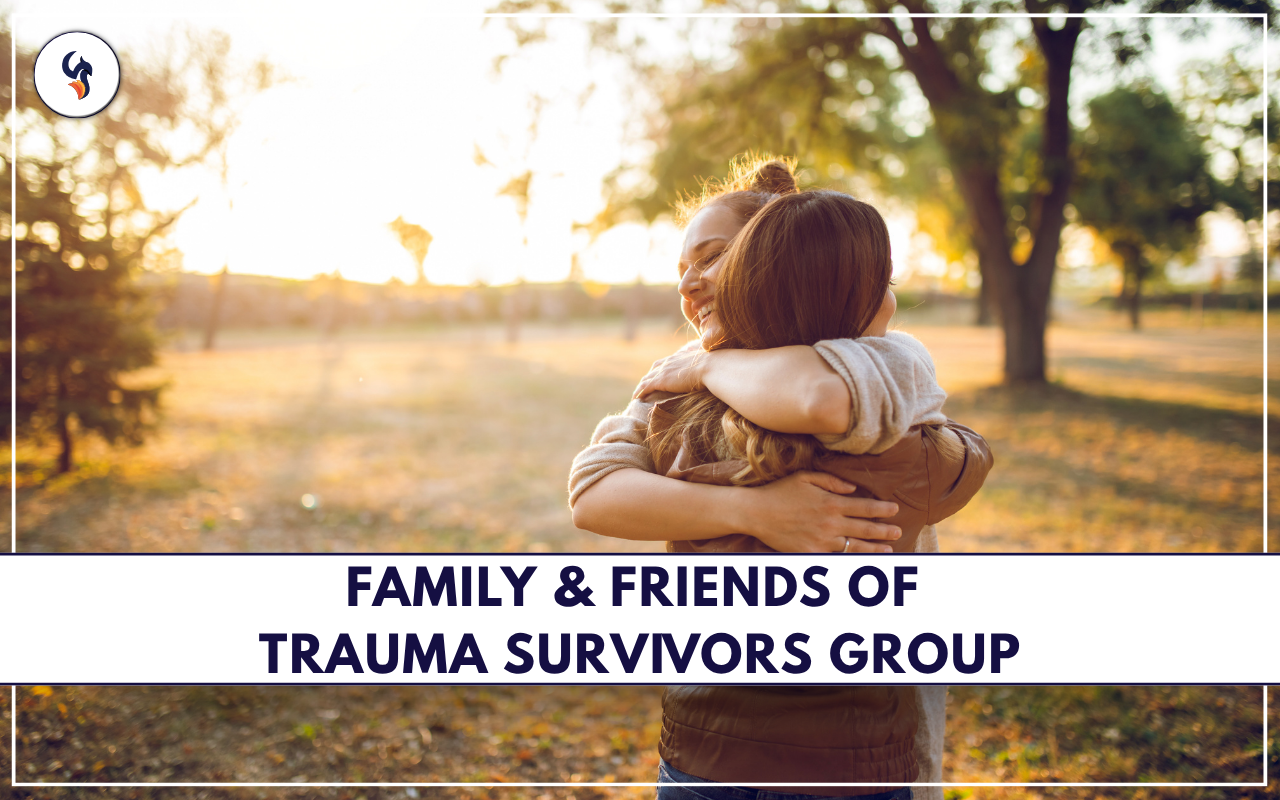
This one-on-one session, led by our Family/Support Services Coordinator, Meb Carroll, can be conducted virtually or in person and is designed to enhance your support system. Meb also hosts a Family & Friends of Trauma Survivors support group on the third Tuesday of every month.

2. Personal Growth Workshops

We want to take steps to create opportunities for our clients to connect with each other and build community at the Phoenix Center. We believe that nobody heals from trauma in isolation and that community is important in recovery. Our hope is that this workshop will help provide a sense of peer support and solidarity in your trauma recovery journey. In these workshops, we also give our clients the opportunity to share feedback and suggestions for our center.

Our Free Client Workshop is Tuesday, June 23, 2026, 6:00PM – 8:00PM.

3. Free Support Groups

We are committed to your success and want to offer additional tools to integrate into your recovery journey. One of those tools being our free support groups. Support groups provide coping skills and bring together members with similar lived experiences to support each other and are centered around the importance and power of peer support. The group contributes to the healing process through attentive listening, encouragement, feedback, education, and shared experience.

Our Current Support Groups

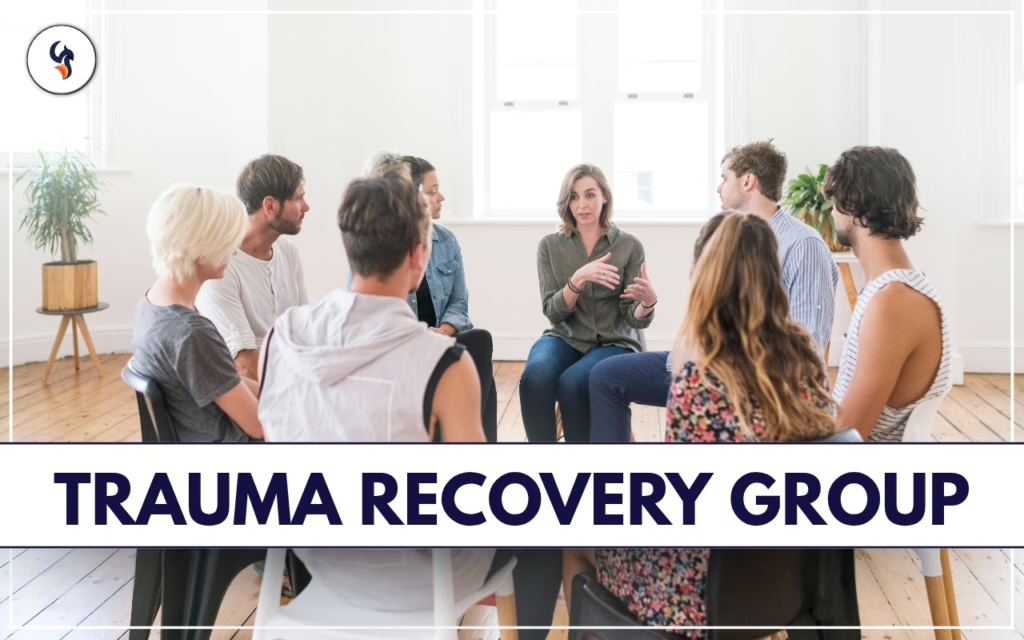
Trauma Recovery Support Group

Every Monday 6:30PM-7:30PM

Family & Friends of Trauma Survivors Support Group

Every 3rd Tuesday 12:00PM-1:00PM

Parenting Support Group for Neurodiverse Families

Every Wednesday, 9:30AM-11:30AM

Trauma-Informed Community Yoga

Bi-Weekly Mondays 6:30PM-8:00PM

4. Administrative Staff

Here at the Center our administration staff serves as an additional line of support for both the therapists and their clients. Our admin staff manages appointments, responds to phone calls and emails, and answers any questions you may have about our center. When administration handles all of these tasks, it gives clinicians more time to focus solely on their client.

Our Administrative Staff

M.S.
Intake, Outreach, Referrals, Marketing, and Continuing Education

B.A.
Communications, Marketing, Social Media, Administration, and Customer Service

5. Supervision and Feeback

While we provide many resources to help our clients feel supported, we also prioritize support for our clinicians and clinical interns. This includes weekly individual and team supervision meetings, peer-to-peer support, team retreats, and community gatherings. We believe our team is best equipped to support clients when they feel supported themselves.

Your feedback is also very important to us. Please do not hesitate to share your experiences regarding your individual sessions, groups and offerings, our facilities, or our center. We welcome and encourage feedback from all clients.

Want to Become A Client?

  1. Call: 484-440-9416
  2. Schedule An Intake Online: Here
  3. Email: support@phoenixtraumacenter.com

Music Therapy and Trauma Healing

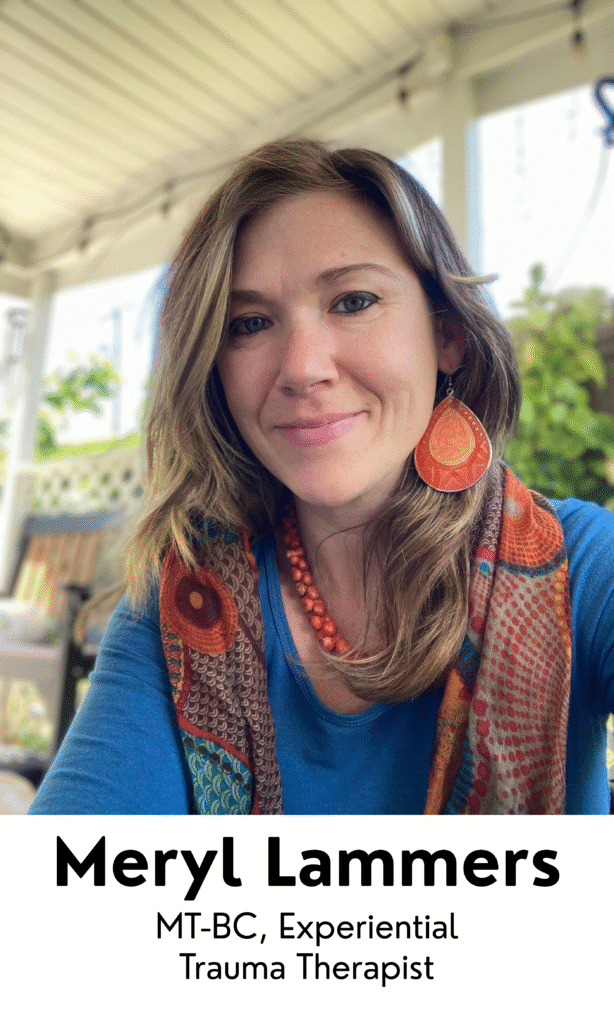
By Meryl Lammers, MT-BC (Music Therapist-Board Certified)

Music Therapy is the clinical and evidence-based use of music interventions to accomplish individualized goals within a therapeutic relationship by a credentialed professional who has completed an approved music therapy program.

MUSIC THERAPY AT THE PHOENIX CENTER

Clinical music therapy is the only professional, research-based discipline that actively applies supportive science to the creative, emotional, and energizing experiences of music for health treatment and educational goals.

Music therapists use music to enhance social or interpersonal, emotional, cognitive, and behavioral functioning in individuals who have experienced trauma. Research indicates that music therapy is effective at reducing muscle tension and anxiety, and at promoting relaxation, verbalization, interpersonal relationships, and a sense of connectedness. This can set the stage for open communication and provide a starting place for non-threatening support and processing symptoms associated with or exacerbated by trauma. A qualified music therapist can use music to actively connect a client to their emotional state quickly.

Benefits of integrating Music Therapy into trauma focused therapy:

· Improved mood

· Emotional regulation

· Development of coping skills

· Creative and emotional expression without the need to use words

· Decrease in anxiety and depression

· Increase feelings of safety and connection

You do not need to have musical ability in order to participate in or benefit from music therapy. Music Therapy is effective for people of all ages, is collaborative, and involves both the client and therapist to co-create goals and interventions.

Some interventions that help address symptoms related to trauma include:

· Drumming

· Instrument improvisation

· Song writing

· Progressive muscle relaxation to live or recorded music

· Vocalizations/singing

· Song choice

· Lyric analysis

· Creation of play lists related to specific emotions

· Movement to music

· Legacy projects

· Combining music and art

Various types of Music Therapy

These Music Therapy techniques are also complementary to other trauma related modalities and can be integrated with them, including:

· Expressive arts therapies

· Psychodrama

· IFS

· Somatic work

· EMDR

As an experiential modality, music therapy that has the capacity to create connection and community, which are important aspects of healing from trauma. The Phoenix Center is committed to finding individualized ways to help people recover from trauma and enhance personal growth through the use of different experiential therapies. Contact us today if you’re ready to begin your journey of healing.

In-Person and Virtual Trauma Therapy: Pros and Cons

by Sarah Jayne Oltz, MS, NCC, CTP

Trauma therapy is a deeply personal healing process that requires careful consideration of how therapy is delivered. Today, there are two main formats for therapy: in-person and virtual. Both have distinct advantages and potential drawbacks, particularly for trauma therapy. Below is an exploration of the pros and cons of each option to help you decide which format may work best for you or your clients.

In-Person Trauma Therapy

Pros

  • Deeper Human Connection
    In-person sessions foster a stronger sense of connection and presence. Non-verbal cues like body language, eye contact, and even physical proximity can enhance the therapeutic bond and process, which is essential for healing trauma. The sense of safety and trust can be more immediate and tangible in a physical space with a therapist.
  • Fewer Technological Barriers
    There’s no need to worry about Wi-Fi interruptions, audio lag, or technical difficulties that could disrupt the flow of an important session. This can be crucial when dealing with sensitive or traumatic material, where breaks in connection could impact the therapeutic process.
  • More Grounding and Experiential Support
    Many trauma therapists incorporate grounding techniques and sensory experiences into their practice. In-person sessions allow therapists to use physical objects and other tools that can help clients regulate their emotions and process more effectively.
  • Safe Space
    In-person therapy provides a controlled, safe environment where clients can express and process intense emotions without distractions from the outside world. Being in a designated therapeutic space can also help clients create a mental separation between therapy and their daily life.

Cons

  • Limited Accessibility
    In-person therapy can be less accessible for clients who have physical disabilities, live in remote areas, or have busy schedules.
  • Cost and Travel Time
    In-person therapy often requires additional expenses, such as transportation and time off work, which can add stress to an already emotionally taxing process. Commute times can also make regular attendance challenging.
  • Unfamiliar Space
    For some trauma survivors, being in a new or unfamiliar physical space can trigger anxiety or a sense of overwhelm. Some individuals may feel more safe in their own space, especially in the early stages of therapy when trust is still being built.

  Virtual Trauma Therapy

Pros

  • Convenience and Accessibility
    Virtual therapy can be especially helpful for individuals with physical limitations, those who live in areas with limited mental health resources, or those juggling work and family commitments.
  • Scheduling Flexibility
    Virtual therapy often offers more flexibility in terms of scheduling since the client does not need to account for travel time. This can lead to more consistent attendance, which is crucial for trauma recovery.
  • Comfort in a Familiar Space
    For some clients, particularly trauma survivors, being in a familiar environment can feel safer. Virtual therapy allows clients to engage in therapeutic work while remaining in the comfort of their own space, which may help reduce anxiety and facilitate openness.
  • Sense of Anonymity
    Some clients may feel more comfortable with virtual therapy because it offers a sense of anonymity. They may find it easier to disclose sensitive or painful experiences without the added pressure of being physically present in a therapist’s office.

Cons

  • Technology Issues
    While virtual therapy is convenient, it also relies heavily on technology. Poor internet connections, software glitches, or interruptions can disrupt the flow of a session. This can be particularly problematic in trauma therapy, where the therapeutic alliance and sense of safety are critical.
  • Limited Non-Verbal Communication
    Much of the subtle communication that happens in therapy comes from body language, facial expressions, and other non-verbal cues. Virtual therapy may limit the therapist’s ability to pick up on these cues, which could affect the depth of the therapeutic relationship.
  • Difficulty in Creating a Therapeutic Environment
    Not everyone has a private, quiet space to engage in therapy at home. Distractions like family members, noise, or pets can make it harder to focus, reducing the effectiveness of the session. Some clients may also struggle with boundaries, finding it difficult to fully “enter” therapy mode when they are in a home setting.
  • Licensing Restrictions on Virtual Therapy
    Most state licensing boards only permit therapists to engage in telehealth sessions with a client who is physically located in the state the therapist is licensed in at the time of the session. This can be very limiting for clients who are traveling out of state.

  • Therapists’ Lack of Training Providing Therapy Online
    Most therapists have no training on providing therapy remotely, especially if they completed their schooling or training before the 2020 Covid-19 pandemic.
  • Therapists’ Limited Familiarity with Local Services
    One of the risks of engaging in telehealth is that your therapist may not be familiar with mental health service providers in your area, especially if your therapist’s office is far away from your home. In the case of an emergency or the need for a referral to a more intensive level of care, your therapist may not have direct experience or knowledge of programs in your town.



 

Which is Right for You?

The choice between in-person and virtual trauma therapy ultimately depends on your personal preferences, circumstances, and therapeutic needs. Both formats can be effective, but it’s essential to consider what environment will make you feel most comfortable, supported, and safe.

If you value the immediate connection and presence of face-to-face interactions and have access to a therapist nearby, in-person therapy may be the best fit. On the other hand, if you need more flexibility and comfort or live in an area with limited mental health resources, virtual therapy might provide the support you need with fewer barriers. Sometimes, a hybrid model—where sessions alternate between in-person and virtual—can offer the best of both worlds. Many times, we have found success in starting sessions in-person to build a strong connection between therapist and client, and switching sessions to online after a strong bond has been established.

We often will recommend meeting in-person if there are particular sessions when we plan to engage in trauma processing of core memories (sometimes these are scheduled for longer than an hour). Being in person with your therapist allows your therapist to better assess where you are in the process (especially through non-verbal cues such as complexion changes, voice tone, body language, posture, etc.), which will better allow your therapist to provide safe and effective trauma processing.

Trauma therapy is rooted in safety and autonomy, and the setting that fosters your personal growth and comfort will always be the right choice. Don’t be afraid to experiment with both formats to find what works best for you. Contact the Phoenix Center today to get started with one of our trauma therapists in-person or virtually.

Is Past Adversity Impacting You Today? Take This Short Assessment!

Throughout our life, we all encounter challenges that shape who we are. However, sometimes the impact of past adversity, trauma, and loss can linger – affecting our relationships and daily life in ways we might not fully understand. If you’re questioning whether past experiences are casting a shadow on your present-day experience, you are not alone. Below we summarize the most common ways that past adversity can impact us today – the signs of post-traumatic stress disorder (PTSD) and complex post-traumatic stress disorder (CPTSD) and encourage you to consider the transformative power of trauma therapy at the Phoenix Center for Experiential Trauma Therapy in Media, PA.

Recognizing the Impact:

  1. PTSD Symptoms: Post-traumatic stress disorder (PTSD) can emerge after experiencing a traumatic event. Common symptoms include flashbacks, nightmares, hypervigilance, negative moods or beliefs, and emotional numbness. These symptoms can disrupt daily life, making it challenging to connect with others and find peace within oneself.
  2. CPTSD Symptoms: Complex post-traumatic stress disorder (CPTSD) is often associated with multiple exposures to traumatic situations, such as ongoing abuse or neglect. In addition to PTSD symptoms, individuals with CPTSD may struggle with difficulties in forming and maintaining relationships, a negative self-perception,  ongoing feelings of emptiness, and overwhelming emotions.

Still unsure if past adversity or trauma is continuing to impact you today?

If you are scoring above a 31 on the assessment above, you are likely experiencing posttraumatic stress and trauma therapy would be highly recommended for you (according to standards set by the National Center for PTSD).

The Transformative Power of Trauma Therapy:

Embarking on a journey of trauma therapy is a commitment to profound personal transformation. Here’s how it can guide you towards a resilient and empowered future:

  1. Establishing Safety and Developing Coping Skills: At the heart of trauma therapy lies the establishment of safety and connection. Specialized trauma therapists help create a secure space, allowing you to explore your experiences without fear of judgement or harm. Through collaboration, you’ll develop a toolkit of coping skills, equipping you to face life’s challenges with newfound strength and assurance. Your therapist will help you better understand how past trauma or adversity may be impacting you and offer you support in navigating relationships in your life.
  2. Processing Traumatic Memories and Dealing with Related Feelings: The therapeutic journey involves an exploration into your past, providing a safe container to process traumatic memories. Together with your therapist, you’ll navigate the complex terrain of emotions tied to these memories which might include grief, anger, shame, self-blame, and confusion. This transformative process gradually loosens the hold of the past, allowing for the integration of these experiences into your sense of self in a new way.
  3. Cultivating Posttraumatic Growth and Integrating Change into Your Life: Trauma therapy is not just about addressing wounds; it’s about cultivating posttraumatic growth – or growth after trauma. Through introspection and guidance, you can identify opportunities for positive change in the aftermath of trauma. Your therapist becomes a partner in integrating these changes into your life, fostering a sense of resilience, wisdom, and empowerment going forward.

In the realm of trauma therapy, each session is a step towards reclaiming your narrative, fostering resilience, and embracing a future where posttraumatic growth becomes a guiding force in your journey toward healing and wholeness.

If you’re unsure whether past adversity is affecting your life today, know that you don’t have to navigate this journey alone. Trauma therapy offers a beacon of hope, providing a pathway to healing and growth. It’s never too late to seek support and take the first steps toward a more fulfilling and connected life. Your past doesn’t have to dictate your future. If you suspect that past adversity is impacting your relationships and life today, consider the transformative potential of trauma therapy. Reach out, seek support, and embrace the possibility of healing. The journey toward a brighter and more resilient tomorrow begins with the courageous step of acknowledging the impact and taking action to reclaim your life.

Psychodrama as an Effective Treatment for Trauma and PTSD

By Dr. Scott Giacomucci, DSW, LCSW, BCD, FAAETS, PAT

Published by APA Div 49, The Group Psychologist

“Recent findings have challenged trauma therapists to consider alternative and adjunctive approaches to talk therapy and cognitive approaches. At the same time, these new findings serve to validate experiential philosophy, theories, and approaches that Jacob Moreno proposed decades prior.”

Read the full article here on APA’s website – https://www.apadivisions.org/division-49/news-events/psychodrama-trauma-treatment