
Written by: María José Sotomayor-Giacomucci, MSS, LCSW, MA, NCC
This article is intended for educators, counselors, therapists, and organizations supporting families impacted by immigration policies, detention, and deportation.
Disclaimer: This article is intended for educational and informational purposes only and should not be interpreted as legal advice. For questions about immigration status, rights, or legal options, please consult a qualified immigration attorney or authorized legal representative.
Understanding Trauma & Ongoing Stress

Current immigration enforcement can create collective trauma, affecting not only individuals who face detention or deportation but also their children, families, and communities. News of people being followed, detained, or separated from loved ones can have significant emotional and psychological effects. For many, it can feel like too much, too fast, and too soon, with no end in sight.
Chronic exposure to perceived threats, uncertainty, detention, deportation, and forced family separation can contribute to sustained stress responses, anxiety, depression, posttraumatic stress symptoms, and disruptions in cognitive, relational, and developmental functioning (Brabeck & Xu, 2010; Danese & McEwen, 2012; Dreby, 2012; Hainmueller et al., 2017; Rojas-Flores et al., 2017; Shonkoff & Garner, 2012; Torres et al., 2018).
Trauma occurs when an experience overwhelms our ability to cope. When stressful situations continue without opportunities to feel safe or regain stability, our minds and bodies may remain on high alert. Imagine a fire alarm in the brain that keeps signaling danger. Without enough reminders of safety, our bodies may continue responding as though a threat is imminent.
Ongoing immigration enforcement and uncertainty about future policies and practices can make it difficult for individuals and families to anticipate what may happen next or when their circumstances might change. People respond to trauma differently. Some may experience anxiety, sadness, irritability, difficulty sleeping, intrusive memories, emotional numbness, or trouble concentrating. Others may develop symptoms of posttraumatic stress disorder (PTSD). Not everyone exposed to trauma develops PTSD. However, ongoing uncertainty and fear can take a significant toll on mental health and overall well-being.
The Impact on Children and Families
Immigration enforcement can affect entire families, including U.S. citizen children whose parents may be at risk of detention or deportation. Mixed-status families include members with different immigration or citizenship statuses, such as U.S. citizen children and parents who are undocumented or hold other immigration statuses.
Research suggests that immigration-related legal vulnerability and the stressors associated with it can affect parents’ well-being and children’s emotional health. These effects may be compounded by financial insecurity and concerns about family separation (Brabeck & Xu, 2010; Hainmueller et al., 2017; Yoshikawa, 2011). Research involving U.S. citizen children with undocumented Mexican parents has also documented depression and psychological distress associated with parental detention and deportation. These findings highlight the potential mental health consequences of immigration enforcement and family separation (Gulbas et al., 2016; Rojas-Flores et al., 2017). For individuals and families at risk, uncertainty about the future can become a constant source of stress. Worries about deportation, family separation, financial stability, and the safety of loved ones may contribute to anxiety, depression, grief, fatigue, and sleep difficulties.
When supporting students and families, it is important to recognize that these responses may reflect real life circumstances and ongoing stressors, rather than simply individual mental health challenges. Understanding the context in which these experiences occur allows us to respond with greater compassion and cultural sensitivity.
The Impact on Children and Families
Schools can provide important support to students and families affected by immigration enforcement, detention, and deportation. During periods of heightened uncertainty, schools can offer consistency, connection, and supportive environments where students feel heard, valued, and respected.

The Education Law Center, HIAS Pennsylvania and the ACLU of Pennsylvania have provided information on the legal rights of immigrant students in Pennsylvania Schools, you can review the webinar for additional information on how schools can support immigrant students and families.
When students and families experience ongoing stress, having trusted adults, predictable routines, and opportunities for connection can make a meaningful difference. Educators and school personnel can support students by listening without judgment, acknowledging their concerns, and recognizing that changes in behavior, concentration, attendance, or emotional regulation may be responses to stressful circumstances.
During periods of heightened immigration enforcement, individuals and families may have difficulty finding the predictability, stability, and reassurance that help regulate the body’s stress response. This can be especially challenging for people who fear detention, racial profiling, or family separation.
Limiting exposure to distressing news and images may help some individuals manage stress. However, this does not eliminate the real concerns facing families at risk of deportation or separation. Some people may choose to stay home, avoid public spaces, or closely monitor the news as a way of trying to protect themselves and their loved ones. These decisions should be understood within the context of their circumstances rather than automatically viewed as unhealthy behaviors.
There is no magic therapeutic approach that can make all this uncertainty disappear. However, we can draw on our shared humanity and creating therapeutic safety. At our center we provide services that can be of support to these families through experiential trauma therapy modalities such as EMDR, somatic therapy, expressive arts, client-center and more. We can listen, acknowledge what people are experiencing, and help them feel less alone. We can also help individuals reconnect with the present moment while acknowledging the uncertainty they face. The goal is not to convince people that they are safe when their circumstances may still be dangerous. Instead, we can help them identify their needs, connect with resources, and recognize what support is available in the present moment.
We can offer practical tools and reminders to support individuals and families. At the same time, we must recognize that these strategies do not eliminate the systemic challenges or lived experiences of those vulnerable to deportation and family separation.
Some activities that may help individuals stay grounded and connected to the present that can be implemented in a trauma-informed way at schools or organizations can include:
- Practicing grounding and breathing exercises.
- Using writing, journaling, and creative arts to express emotions.
- Identifying personal values and recognizing what is within one’s control.
- Connecting with trusted individuals, supportive communities, and available resources.
- Identifying supportive spaces where individuals can seek connection and assistance.
These strategies are not intended to minimize the challenges families face. Rather, they can provide opportunities for connection, emotional regulation, and support during periods of ongoing uncertainty.
Connecting Families with Trusted Resources
Schools, counseling professionals, and community organizations can help families prepare by identifying trusted community resources and support services before a crisis occurs.
When families need immigration-related legal assistance, they should be connected with qualified immigration attorneys or authorized representatives. It is important to be cautious of notarios (public notaries) or consultants who offer immigration legal services without the appropriate qualifications.
Helpful resources include:
Pennsylvania Based Resources
- HIAS Pennsylvania and Nationalities Service Center: Immigration non-profit legal services and support for immigrant and refugee communities. Please note there are other agencies across the state.
- Pennsylvania Immigration and Citizenship Coalition (PICC): Advocacy, community education, and school-related resources, including the Welcoming Schools Campaign.
- Webinar on the legal rights of immigrant students in Pennsylvania Schools
National Advocacy Immigrant Rights Organizations:
- United We Dream
- National Immigration Law Center (NILC), Immigrant Legal Resource Center (ILRC) & American Civil Liberties Union (ACLU)– Know Your Rights information and resources related to immigrant rights.
- Resources for Immigrant Families by SLO Health Access: This page had great flyers for having conversation with children about immigration and deportations. How parents can have age-appropriate conversations with children and teens about deportations (see additional attachment). English & Spanish Version on the website.
Know Your Rights Handouts and Videos
- Immigrant Defense Project- Know Your Rights Posters, Handouts, Flyers in 16 different languages
- American Immigration Lawyers Association (AILA) Know Your Rights Flyers: handouts in 6 different languages
- Print Free Know Your Rights cards. Available in 19 different languages.
- Short videos “We Have Rights” by the ACLU: Easy to share short videos that describe the rights of immigrant communities in the US with Immigration. These are available in Spanish | Urdu |Arabic | Haitian Creole | Russian | Mandarin | French
- Emergency Plan– Spanish, English and Haitian Creole
- Immigrant Legal Resource Center– Step-by-Step Family Preparedness Plan
- U.S. Immigration and Customs Enforcement (ICE) Detainee Locator: An official tool for searching for individuals who may be in ICE custody
Resources and eligibility requirements may change, so families should contact organizations directly to confirm current services and availability.
As educators, counselors, therapists, and community members, we may not be able to change every circumstance affecting the families we support. We can, however, provide accurate information, connect people with trusted resources, create supportive environments, and respond with compassion.
We hope our webinars provide additional information about trauma, common stress responses, and practical ways to support your students, families, colleagues, communities, and yourself. Check out our list of upcoming events for more information.
References
Brabeck, K., & Xu, Q. (2010). The impact of detention and deportation on Latino immigrant children and families: A quantitative exploration. Hispanic Journal of Behavioral Sciences, 32(3), 341–361. https://doi.org/10.1177/0739986310374053
Danese, A., & McEwen, B. S. (2012). Adverse childhood experiences, allostasis, allostatic load, and age-related disease. Physiology & Behavior, 106(1), 29–39.
Dreby, J. (2012). The burden of deportation on children in Mexican immigrant families. Journal of Marriage and Family, 74(4), 829–845. https://doi.org/10.1111/j.1741-3737.2012.00989.x
Gulbas, L. E., Zayas, L. H., Yoon, H., Szlyk, H., Aguilar-Gaxiola, S., & Natera, G. (2016). Deportation experiences and depression among U.S. citizen-children with undocumented Mexican parents. Child: Care, Health and Development, 42(2), 220–230. https://doi.org/10.1111/cch.12307
Hainmueller, J., Lawrence, D., Martén, L., Black, B., Figueroa, L., Hotard, M., Jiménez, T. R., Mendoza, F., Rodriguez, M. I., Swartz, J. J., & Laitin, D. D. (2017). Protecting unauthorized immigrant mothers improves their children’s mental health. Science, 357(6355), 1041–1044. https://doi.org/10.1126/science.aan5893
Rojas-Flores, L., Clements, M. L., Hwang Koo, J., & London, J. (2017). Trauma and psychological distress in Latino citizen children following parental detention and deportation. Psychological Trauma: Theory, Research, Practice, and Policy, 9(3), 352–361. https://doi.org/10.1037/tra0000177
Shonkoff, J. P., & Garner, A. S. (2012). The lifelong effects of early childhood adversity and toxic stress. Pediatrics, 129(1), e232–e246. https://doi.org/10.1542/peds.2011-2663
Torres, S. A., DeCarlo Santiago, C., Kaufka Walts, K., & Richards, M. H. (2018). Immigration policy, practices, and procedures: The impact on the mental health of Mexican and Central American youth and families. American Psychologist, 73(7), 843–854. https://doi.org/10.1037/amp0000184
Yoshikawa, H. (2011). Immigrants raising citizens: Undocumented parents and their children. Russell Sage Foundation. https://doi.org/10.7758/9781610447072
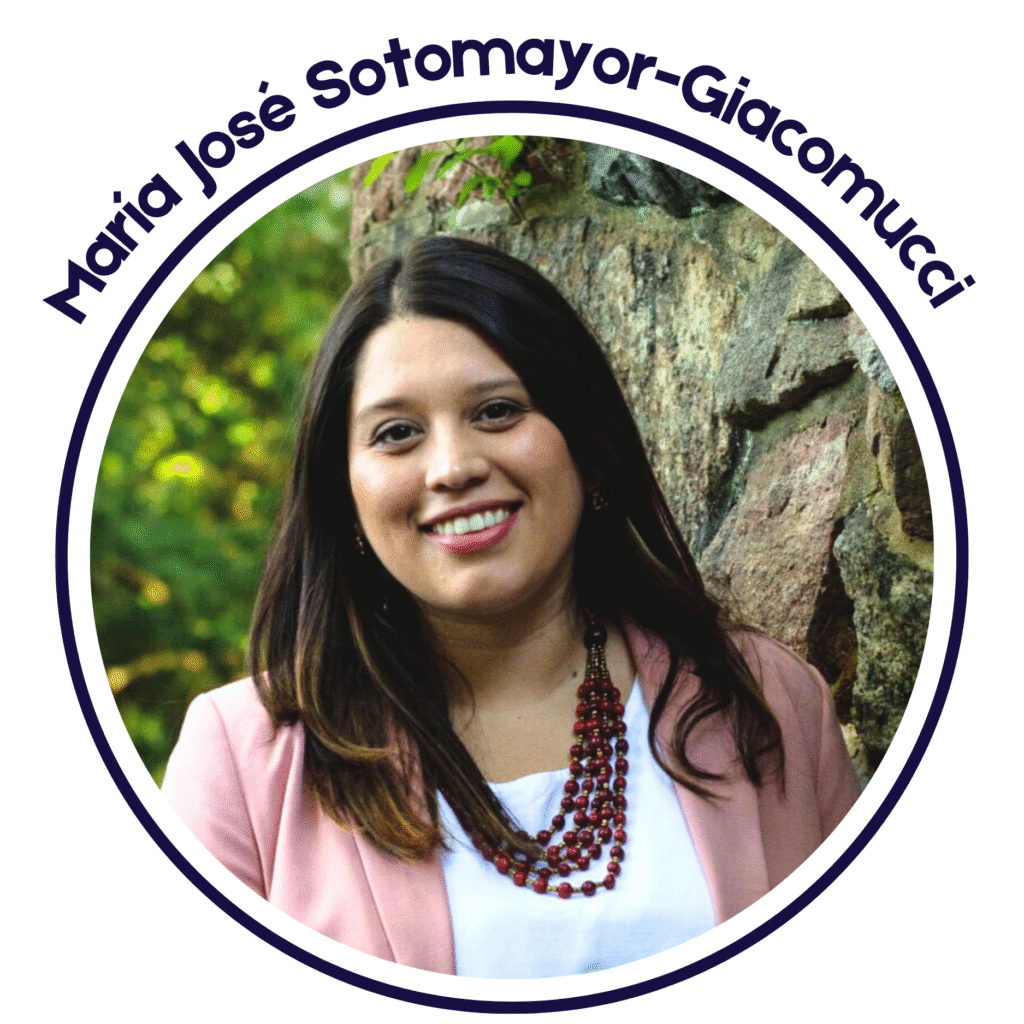
Learn More about María José Sotomayor-Giacomucci














Leave a Reply