
Written by: Michael Marsteller, MA, NCC
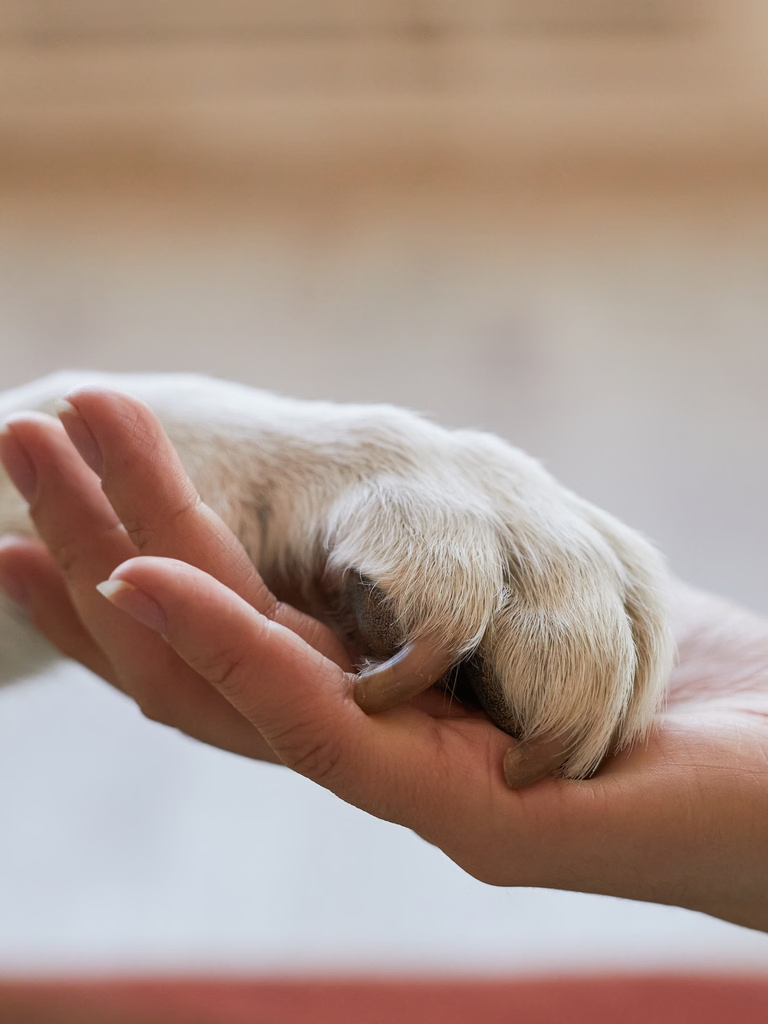
Pets can become some of the most meaningful relationships in our lives. They share our homes, our routines, and often our most difficult and happiest moments. For some, pets may be their only source of unconditional love and protection. For many, they are a consistent source of comfort when managing difficult emotions. When a pet dies, the grief can be profound because it means losing a companion who was part of everyday life.
The Loss of a Pet is a Real Loss
Despite how meaningful the relationship can be, grief after the death of a pet isn’t always fully recognized or understood by others. You may hear things such as, “You can always get another pet,” or feel pressure to move on more quickly than you’re ready to. This can be a form of disenfranchised grief, which is grief that isn’t fully recognized or supported by others.
The depth of your grief isn’t determined by whether others understand it. The loss of a pet is a real loss, and your grief deserves to be acknowledged.
Why Losing a Pet Can be So Difficult

Our relationships with pets are often woven into the routine of everyday life. When they die, their absence can be felt in both big and small ways. You might grieve:
- Their companionship and physical presence
- The routines you shared together
- The comfort or sense of safety they provided
- The role they played during an important chapter of your life
- The future you imagined having with them
You may still expect to see them in their favorite spot or find yourself missing the routine that is no longer there. These moments can be painful reminders of how deeply they were part of your life.
Grief Can Look Different for Everyone
There is no right or wrong way to grieve the death of a pet.

You may feel sadness, loneliness, numbness, guilt, anger, or even relief if your pet had been suffering. If you had to make the decision to euthanize your pet, you may find yourself replaying the decision or wondering if you did the right thing, even when the decision was made out of love and a desire to prevent further suffering.
Grief has room for many mixed emotions. The circumstances surrounding your pet’s death, the relationship you shared, and other losses happening in your life can all shape your experience of grief.
How the Loss of a Pet Can Affect Us
The grief of losing a pet can show up in ways we don’t always expect. You might notice:
- Feeling lonely or disconnected
- Missing their comfort and companionship
- Feeling guilt or questioning decisions you made about their care
- Feeling a sense of emptiness at home
- Avoiding reminders because they feel too painful
- Experiencing waves or sudden bursts of grief weeks, months, or even years later
These reactions often reflect the significance of the relationship and the bond you shared.
Healing Doesn’t Mean Forgetting Them
One of the difficult parts of grieving a pet can be wondering what it means to move forward. For many, healing means finding a way to carry the love and memories you shared while gradually learning to live with their absence.

Over time, some people find meaningful ways to honor their pet, such as:
- Looking through photographs or sharing memories with others
- Creating a memorial
- Keeping a meaningful item, such as a favorite toy or collar
- Journaling about what the relationship meant to you
- Continuing a tradition that reminds you of them
Giving Yourself Permission to Grieve
If you’ve lost a pet and find yourself grieving, remember that you don’t have to minimize your pain because others may not understand the relationship you shared. There is no deadline for grieving someone who was an important part of your life. Over time, grief may change and the pain of their absence may become less constant, while the memories and love you shared remain.
What did your relationship with your pet mean to you? What might you need to give yourself permission to grieve?
If you’re struggling with the loss of a pet, therapy can provide a space to acknowledge your grief, honor the relationship you shared, and make sense of the many emotions that can come with loss. Healing can involve learning how to carry their memory and the love you shared with you.

Learn More about Michael Marsteller, Experiential Trauma Therapist